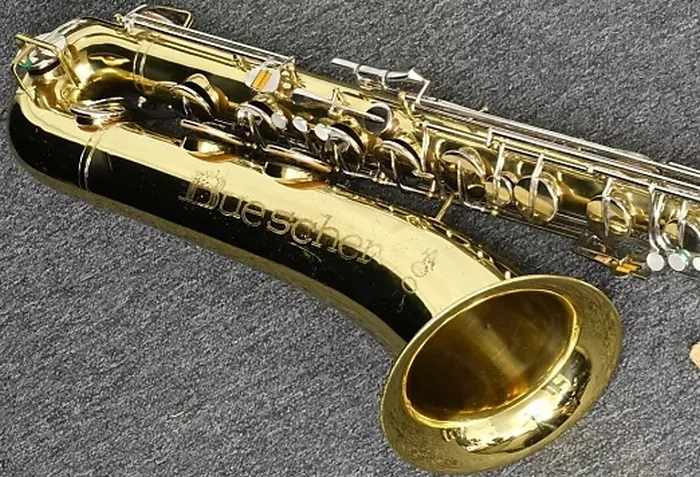
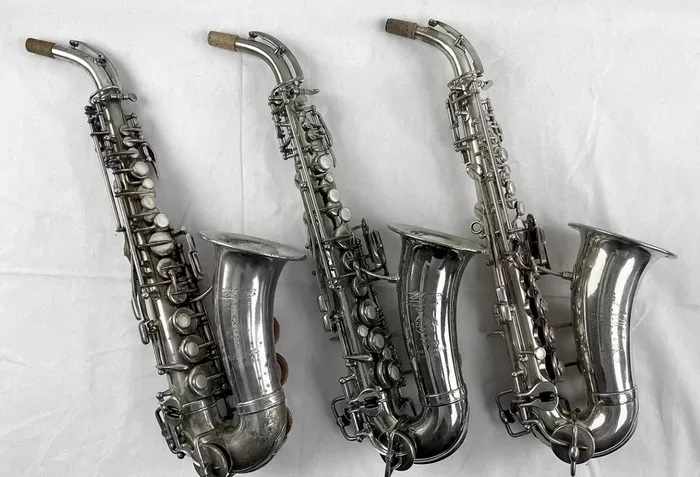
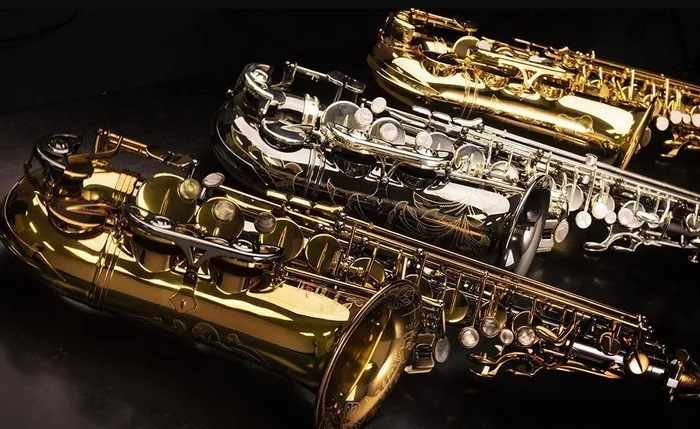
The baritone saxophone holds a special place in the world of jazz, blues, and classical music. Its deep, resonant tone offers a unique sound that stands out in any ensemble. While modern baritones come with technological improvements, vintage baritone saxophones continue to be highly sought after by musicians due to their craftsmanship, tonal character, and historical significance.
This article dives deep into the best vintage baritone saxophones, examining their qualities, popular models, and why they remain prized by professional players.
What Makes a Baritone Saxophone Vintage?
The term “vintage” generally refers to instruments produced in an earlier era, typically before the 1970s, often made with meticulous handcrafting techniques and premium materials. Vintage baritone saxophones are valued for several reasons:
Build quality: Early saxophones were hand-assembled with great attention to detail.
Sound quality: Many players find vintage saxes produce warmer, richer tones compared to modern mass-produced models.
Materials: Brass, key mechanisms, and lacquer finishes often differ from modern counterparts, influencing durability and tonal properties.
Historical legacy: Vintage instruments often have associations with legendary players or eras of music, adding to their allure.
Many saxophonists prize vintage baritones for their unique sound palette. Vintage horns often have a slightly different bore shape, key spacing, and resonance characteristics that can create a more complex tonal texture. This sonic signature is hard to replicate in modern instruments. Additionally, many players enjoy the feel of vintage saxophones — from the weight to the ergonomics — which some find superior for comfort and playing technique.
Top Vintage Baritone Saxophone Brands
Several manufacturers have produced iconic vintage baritone saxophones that continue to dominate the market among collectors and professional players:
1. Selmer Paris Mark VI (1954–1974)
Undoubtedly one of the most celebrated saxophones in history, the Selmer Mark VI baritone saxophone is revered for its craftsmanship and sound. Known for a warm, flexible tone with excellent projection, the Mark VI remains a benchmark in vintage saxophone collecting.
Sound: Rich, centered tone with a smooth upper register.
Build: Handmade with precise keywork and superior materials.
Playability: Ergonomically refined for ease of fingering despite the large size.
The Mark VI’s price reflects its status, but for serious players, it’s often considered the ultimate vintage baritone saxophone.
2. Conn 12M “Ladyface” (1930s–1950s)
The Conn 12M, nicknamed the “Ladyface” due to its distinctive low-profile engraving, is a classic American baritone saxophone. It is prized for its powerful, broad sound suitable for big bands and jazz ensembles.
Sound: Dark, bold tone with strong bottom notes.
Build: Robust and durable, often heavier than European counterparts.
Playability: Keywork designed for a large hand span, requiring adjustment for some players.
The Conn 12M is a favorite among players who want that classic big band baritone sound with an American heritage.
3. King Super 20 Baritone Saxophone (1930s–1950s)
King saxophones, especially the Super 20 models, are prized for their warm tone and comfortable keywork. The Super 20 baritone offers a mellow yet rich sound that blends well in jazz and studio settings.
Sound: Smooth, warm, and flexible, excellent for ballads and solos.
Build: Heavy brass body with nickel plating in some models for durability.
Playability: Keys are well-spaced and smooth, favored by many professionals.
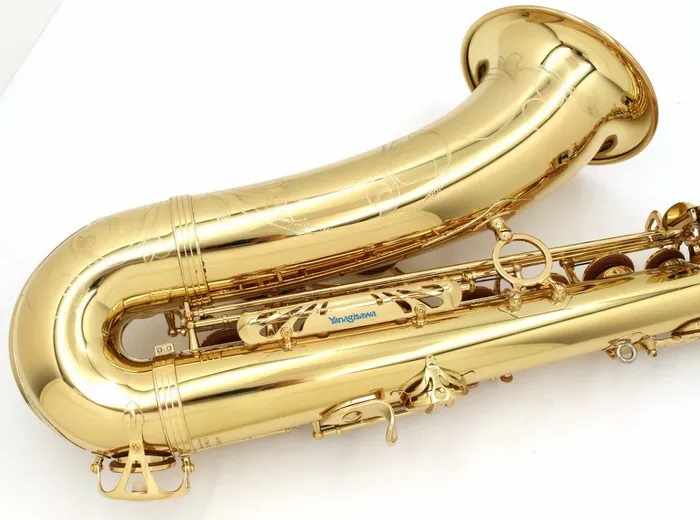
4. Yamaha YBB-11 (1970s, Early Model)
Though technically more “modern vintage,” the Yamaha YBB-11 introduced several improvements in baritone saxophone design during the 1970s. While not as collectible as Selmer or Conn, it’s known for reliability and a bright sound that modern players appreciate.
Sound: Clear, bright tone with excellent projection.
Build: Consistent factory quality with good key action.
Playability: Ergonomic design making it accessible for players transitioning from tenor saxophones.
What to Look for When Buying a Vintage Baritone Saxophone
Buying a vintage baritone saxophone is a serious investment, both financially and musically. Here are essential factors to consider:
1. Condition
Check for dents, corrosion, worn pads, and any signs of heavy repairs. Since baritones are large and more prone to damage, a well-maintained instrument is crucial for optimal playability.
2. Original Parts vs. Replacement Parts
Original parts preserve the saxophone’s authentic sound and value. However, some replacement parts are common and don’t negatively affect performance. Know the difference and assess accordingly.
3. Intonation and Playability
Play or test the saxophone to ensure it intonates properly throughout its range and that the keys respond smoothly without sticking or excessive noise.
4. Professional Setup
A professional setup by an experienced technician can vastly improve the playability of a vintage saxophone, so factor this into your budget.
Why Vintage Baritones Sound Different
The unique tonal characteristics of vintage baritones stem from factors like:
Bore Size and Shape: Many vintage saxophones have slightly different bore dimensions, influencing airflow and resistance.
Material and Finish: Different lacquers and plating affect resonance and sound color.
Construction Techniques: Handcrafted keys, pads, and tone holes contribute to nuanced sound production.
Famous Players Who Preferred Vintage Baritone Saxophones
Many legendary saxophonists chose vintage baritones for their distinctive sound:
Serge Chaloff: Famous for his Selmer baritone with a rich, expressive tone.
Harry Carney: Longtime baritone saxophonist with Duke Ellington’s orchestra, favored Conn instruments.
Gerry Mulligan: Known for his cool jazz style on vintage King baritones.
Price Range of Vintage Baritone Saxophones
The price of vintage baritone saxophones varies widely based on model, condition, and rarity. For example:
Selmer Mark VI baritones often range from $10,000 to $30,000 or more.
Conn 12M saxophones typically cost between $5,000 and $15,000.
King Super 20 models can be found in the $3,000 to $10,000 range.
Yamaha YBB-11 and similar models are usually less expensive but still respected.
Conclusion
For serious musicians, a vintage baritone saxophone represents more than just an instrument—it embodies a piece of musical history with unmatched tonal depth and character. Whether playing in jazz combos, orchestras, or studio sessions, these saxophones deliver a distinctive voice that modern instruments strive to replicate.
If you are seeking the perfect vintage baritone saxophone, consider your musical style, the instrument’s condition, and how its tonal qualities align with your artistic goals.
Choosing a vintage baritone saxophone is an investment in sound, style, and history that can inspire your playing for years to come.

![How to Tighten Your Embouchure on Saxophone [It’s Important!]](https://sk0.blr1.cdn.digitaloceanspaces.com/sites/758726/posts/1452431/How-to-Tighten-Your-Embouchure-on-Saxophone.jpg)

![How Many English Horns in an Orchestra? [Revealed!]](https://sk0.blr1.cdn.digitaloceanspaces.com/sites/758726/posts/1353783/How-Many-English-Horns-in-an-Orchestra.jpg)
Write a comment ...