
The Tenor Saxophone is known for its rich, warm tone and expressive flexibility across jazz, classical, and contemporary genres. While most players are familiar with its distinctive slightly curved neck, questions often arise about whether different degrees or styles of curvature can be used, how these variations affect the instrument, and what musicians should consider when exploring neck alternatives. Curved necks for the Tenor Saxophone are not only possible but are also an area of customization that can influence tone, flexibility, ergonomics, and airflow. Understanding how neck curvature interacts with saxophone acoustics is essential for players who want to refine their sound or improve comfort.
Understanding the Role of the Neck in Tenor Saxophone Design
The Neck as an Acoustic Bridge
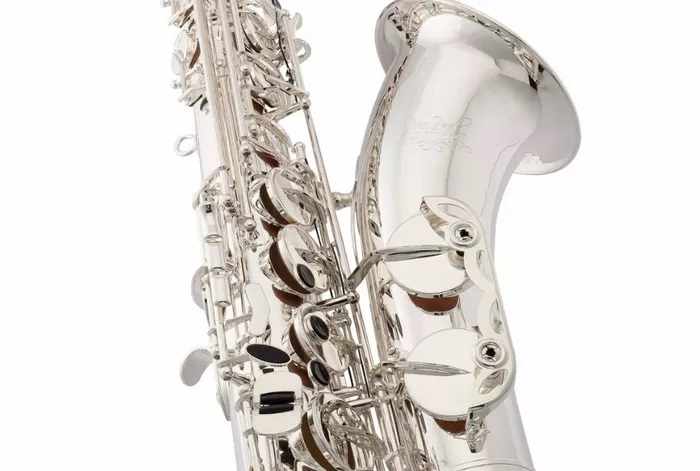
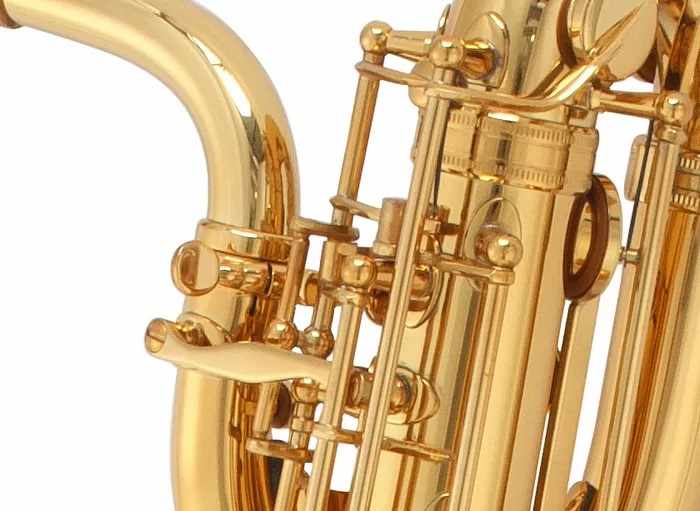
The neck of the Tenor Saxophone is more than a simple connection point between mouthpiece and body. It is an acoustic bridge that shapes airflow, resonance, and tonal flexibility. Slight changes in taper, internal volume, and curvature can dramatically alter the response of the instrument. This is why neck design varies between manufacturers and model series, and why custom necks are common among professional saxophonists.
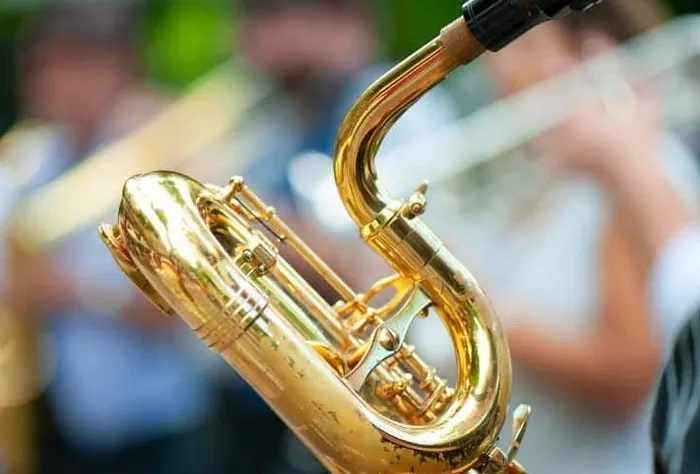
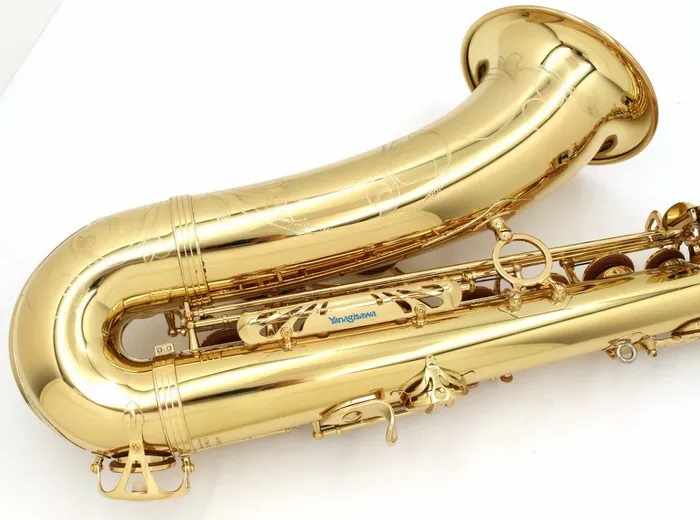
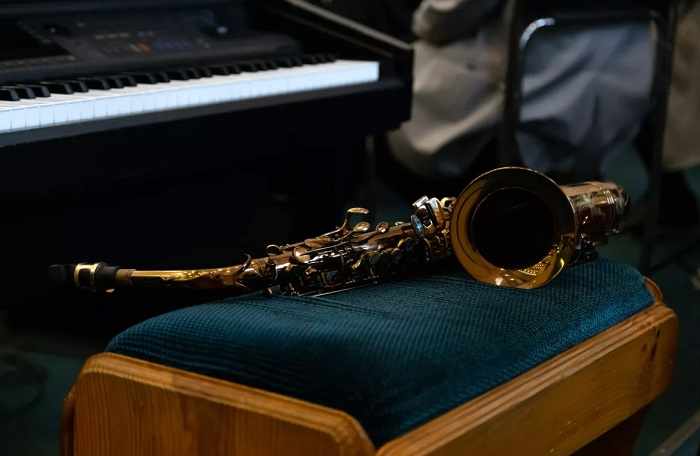
The standard Tenor neck features a moderate curve, designed to maintain ideal acoustical length and ensure comfortable playing posture. While straight and extra-curved necks exist, altering the shape can shift resistance levels, ease of intonation, and tone color.
Neck Curvature and Airflow
The curvature of the neck affects airflow smoothness. A neck that is too sharply curved may cause turbulence, while a neck with more gradual curvature may promote a freer, more open feel. These differences are subtle but noticeable to experienced players. Airflow determines not only projection but also how the reed vibrates, influencing the instrument’s brightness, darkness, and responsiveness.
Exploring Curved Neck Options for the Tenor Saxophone
Variations in Curved Necks
Most Tenor Saxophones come with a traditionally curved neck, but some manufacturers experiment with alternative shapes. These include designs that have a more gradual curve, slightly altered angles, or ergonomic modifications to accommodate different playing styles.
Neck variations are often used to adjust resistance. Some players prefer a neck that tightens the airstream for increased focus and projection, while others favor a freer-blowing design with a smoother curve.
Custom and Aftermarket Neck Options
Custom neck makers offer different degrees of curvature, materials, and taper adjustments. A player might seek a neck with a gentler curve to reduce resistance or one with an altered angle to shift posture for improved comfort. Professionals sometimes own multiple necks and switch between them depending on musical context.
However, it’s essential to remember that not all necks fit all Tenor Saxophones. Differences in tenon diameter, taper, and alignment mean that compatibility must be verified. Forcing an ill-fitting neck can damage the horn.
How Curved Necks Affect Tone and Response
Impact on Tone Color
The curvature of a Tenor Saxophone neck subtly influences tone. A smoother, more open curve may produce a rounder and fuller sound, ideal for classical or ballad playing. Sharper curves may emphasize brightness and edge, providing a bold tone suited for jazz solos or commercial music.
These tonal shifts come from the way the curve affects airflow speed and direction, shaping how the air column vibrates throughout the instrument. Even a few millimeters of difference in the neck curve can change the instrument’s timbre.
Changes in Resistance and Flexibility
Resistance refers to how much air pressure is required to produce sound. Players who prefer a firm, centered tone may choose a neck that adds slight resistance, often achieved through particular curvature or taper adjustments. Conversely, players looking for a more flexible, free-blowing response may prefer a more open design.
Curved neck variations give musicians the ability to fine-tune these characteristics. The right neck curvature can transform how a Tenor Saxophone responds to articulation, dynamics, and vibrato.
Ergonomics and Player Comfort
Neck Angle and Posture
The angle of a curved neck determines how the mouthpiece reaches the player. A slightly different curvature can adjust head position, jaw alignment, and hand comfort. Players with longer arms, necks, or torsos sometimes prefer necks that direct the saxophone slightly downward or upward to match their natural posture.
Fatigue is reduced when the instrument aligns comfortably with the player’s body. Thus, experimenting with neck angles allows musicians to find a setup that supports long practice sessions or performance demands.
Reducing Strain During Performance
A neck that is too narrow or sharply curved may force a player into an awkward posture, leading to neck strain or jaw tension. Adjusting curvature can relieve these issues. This is especially valuable for professional musicians who perform nightly or engage in long rehearsals.
Subtle ergonomic changes can dramatically improve playing endurance. A neck that offers comfort encourages better breathing technique and enhances overall performance.
Technical Considerations When Using Curved Necks
Compatibility and Fit
Not all necks are interchangeable among different brands or models of Tenor Saxophones. Even slight differences in tenon diameter or taper can affect sealing, airflow, and tuning. Before purchasing a curved neck, players must confirm compatibility with their specific instrument.
If a neck fits loosely or too tightly, it can cause leaks, tuning instability, or damage to the receiver. Expert technicians can adjust tenon size, but modifications should always be performed by trained professionals.
Adjustments to Tuning
Changing the curvature or internal volume of a neck can shift tuning tendencies. Some curved necks sharpen the instrument slightly, while others flatten the upper register. This comes from alterations in acoustical length and the way air travels through the curve.
When adopting a new neck design, players often need time to adjust their embouchure and alternate fingerings. Long tones, tuning exercises, and controlled dynamics help integrate the new neck into regular playing practice.
Musical Contexts for Curved Neck Variations
Jazz and Improvised Styles
Jazz musicians frequently explore different neck curvatures to enhance projection and tonal flexibility. A neck that adds brightness or edge can help soloists cut through a band. More relaxed curvature may support expressive phrasing in ballads or blues.
The freedom to shape tone makes curved neck experimentation especially appealing to jazz Tenor Saxophone players.
Classical and Ensemble Settings
Classical players often prefer necks that provide a stable, centered tone with consistent intonation. A neck with a smoother curve and balanced resistance supports blend and clarity in orchestral or chamber settings.
Curved neck variations allow classical musicians to choose options that complement their mouthpiece and reed setup, refining resonance and focus.
Conclusion: Curved Necks Offer Possibilities When Used Thoughtfully
Using curved necks on a Tenor Saxophone is not only possible but can significantly shape a player’s tone, comfort, and technical experience. The curvature affects airflow, resistance, ergonomics, and tuning, making it a powerful tool for customization. With thoughtful selection, proper compatibility checks, and careful tonal exploration, musicians can find a neck design that enhances both their performance and personal expression.

![How to Tighten Your Embouchure on Saxophone [It’s Important!]](https://sk0.blr1.cdn.digitaloceanspaces.com/sites/758726/posts/1452431/How-to-Tighten-Your-Embouchure-on-Saxophone.jpg)
![How Many English Horns in an Orchestra? [Revealed!]](https://sk0.blr1.cdn.digitaloceanspaces.com/sites/758726/posts/1353783/How-Many-English-Horns-in-an-Orchestra.jpg)
Write a comment ...